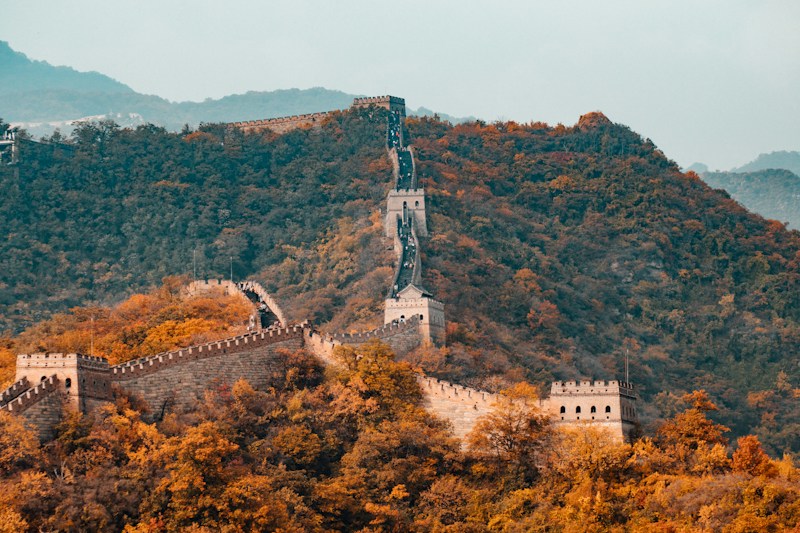
What Beijing Means to Chinese People
Beijing is the soul of China — a city where 3,000 years of imperial history sits beside cutting-edge innovation. For Chinese people, Beijing represents the pinnacle of cultural pride: home to the Forbidden City, the Great Wall, and the political heart of the nation. It is where history is not just preserved — it is lived.
Historical Background
Originally called Yanjing, then Zhongdu, the city became the imperial capital during the Yuan Dynasty (1271) and remained so through Ming and Qing dynasties. Emperors ruled all of China from the Forbidden City for over 500 years.
Cultural Traditions
Peking Opera, hutong alleyways, Courtyard houses (siheyuan), and the tradition of morning Tai Chi in parks define the cultural DNA of Beijing. The city balances Confucian respect for tradition with a burning ambition for modernity.
Local Customs
Locals greet each other with "吃了吗?" (Have you eaten?). Tea ceremonies, face (面子/miànzi) culture, and deep reverence for elders are core to daily life. Bargaining is expected at markets, but not in malls.
Modern Lifestyle
Today Beijing is a global tech hub — home to Zhongguancun (China's Silicon Valley), world-class universities like Peking and Tsinghua, and a booming art district in 798. Young Beijingers frequent specialty coffee shops, indie galleries, and rooftop bars with views of ancient pagodas.
Must-Experience Highlights
AI Insider Tips for Beijing
Hidden gems & local secrets that most tourists miss.